

Introduction
Designing a child’s room is one of the most exciting parts of home décor. It’s a space where imagination grows, learning happens, and memories are made. Whether you’re decorating for a toddler, a growing kid, or a pre-teen, the right approach can turn any ordinary room into a magical and functional environment.
In this detailed guide, we’ll explore practical and inspiring kids room ideas that balance creativity, comfort, and usability. From color schemes to storage solutions, every detail matters when crafting a space that your child will truly love.
Why a Well-Designed Kids Room Matters

A thoughtfully designed room does more than just look good. It influences your child’s mood, creativity, and even productivity. A clutter-free and engaging space encourages better sleep, improved focus, and more independent play.
Children spend a significant amount of time in their rooms, so it’s essential to make it a space that adapts to their needs. The best kids room ideas combine fun elements with practical design, ensuring the room grows with your child over time.
Choosing the Right Color Palette
Color is the foundation of any room design. It sets the mood and defines the overall look.
Soft pastel shades like mint green, sky blue, and blush pink create a calming atmosphere. Bright colors such as yellow, orange, or teal can energize the space and add vibrancy. Neutral tones like beige, white, or grey provide flexibility and can be easily updated with accessories.
Instead of painting all walls in bold colors, consider an accent wall. This approach keeps the room lively without overwhelming the space.
Smart Furniture Selection for Kids Rooms
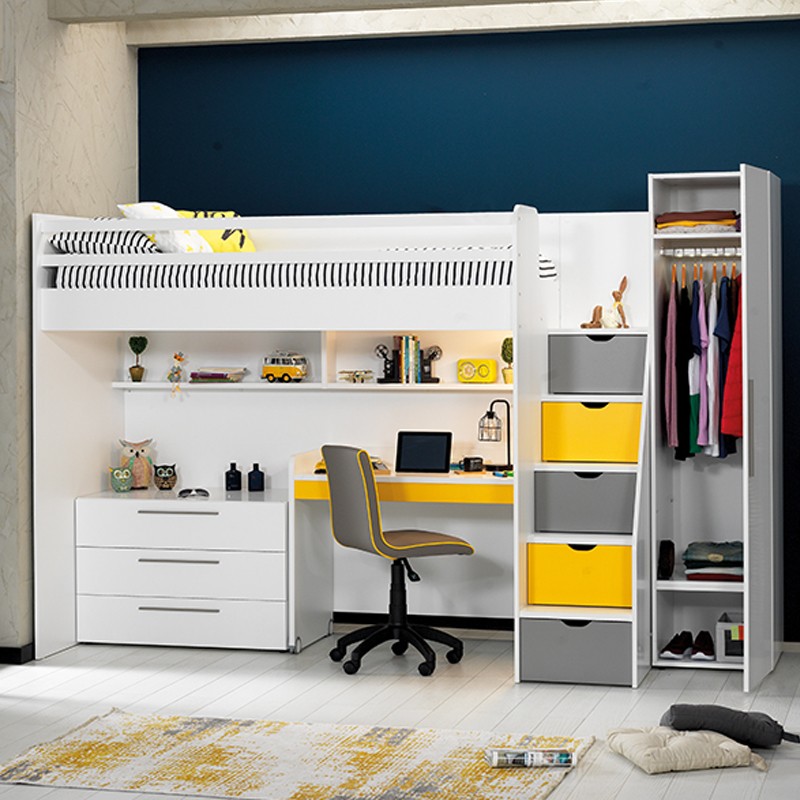
Furniture plays a crucial role in both aesthetics and functionality. When selecting furniture, think about durability, safety, and adaptability.
Convertible furniture is a smart choice. Beds with storage drawers, foldable desks, and adjustable chairs are perfect for maximizing space. Rounded edges and sturdy materials ensure safety, especially for younger children.
Among the most practical kids room ideas, choosing multi-purpose furniture can save space while keeping the room organized and stylish.
Creative Storage Solutions
Keeping a child’s room tidy can be challenging, but smart storage makes it easier.
Instead of traditional cupboards, try open shelves, colorful bins, and labeled baskets. These make it easy for kids to find and store their belongings independently.
Wall-mounted storage units are excellent for saving floor space. Under-bed storage is another underrated option that helps keep toys and clothes neatly tucked away.
Quick Storage Tips:
- Use baskets for toys and books
- Install floating shelves for display
- Add hooks for bags and accessories
Designing a Study-Friendly Corner
A dedicated study area helps children focus better on their homework and creative activities.
Choose a well-lit corner near a window if possible. A comfortable chair and a desk with enough space for books and stationery are essential. Keep the area clutter-free and organized.
Adding a pinboard or whiteboard can make the study corner interactive and fun. This is one of the most effective kids room ideas for school-going children.
Theme-Based Room Design
Themes can bring a child’s imagination to life. Whether it’s a jungle safari, space adventure, princess castle, or superhero world, themed rooms are always exciting.
However, instead of going overboard, focus on key elements like bedding, wall art, and accessories. This allows you to update the theme easily as your child grows.
A balanced theme is one of the most creative kids room ideas that keeps the room playful without becoming overwhelming.
Lighting That Enhances the Space
Lighting is often overlooked but plays a vital role in room design.
Use a combination of ambient, task, and accent lighting. A ceiling light provides overall brightness, while table lamps or wall lights are ideal for reading and studying.
Night lamps with soft lighting help children feel comfortable during bedtime. Decorative lights like fairy lights can add a magical touch.
Adding Personal Touches
Personalization makes a room feel truly special.
Display your child’s artwork, photographs, or achievements on the walls. Customized name boards or wall decals can also add a unique charm.
Encouraging kids to participate in decorating their room ensures they feel connected to the space. These small details make a big difference in implementing meaningful kids room ideas.
Incorporating Play Areas
Play is an essential part of childhood, and having a designated play area can keep the rest of the room organized.
A soft rug, a small tent, or a play mat can create a cozy play zone. Keep toys accessible but organized to avoid clutter.
For smaller rooms, a corner with a few selected toys works just as well. Among practical kids room ideas, this approach helps maintain both fun and cleanliness.
Table: Essential Elements for a Perfect Kids Room
| Element | Purpose | Tips for Best Use |
|---|---|---|
| Bed | Comfort and sleep | Choose with storage options |
| Study Desk | Learning and creativity | Place near natural light |
| Storage Units | Organization | Use labeled bins and shelves |
| Lighting | Visibility and ambiance | Combine different light sources |
| Decor & Accessories | Personalization | Keep it simple and meaningful |
| Play Area | Fun and activity | Use soft rugs and compact toys |
Comfort + Storage + Creativity + Safety = Ideal Space
Switch cushion covers, add wall stickers, and rearrange furniture to instantly refresh your child’s room without spending much.
Flooring Ideas for Comfort and Safety
Flooring should be both safe and comfortable. Wooden flooring, vinyl, or soft carpets are great choices.
Rugs can add warmth and define different areas within the room. Choose materials that are easy to clean and maintain.
Avoid slippery surfaces to prevent accidents, especially for younger children.
Wall Decor That Sparks Creativity
Walls are like blank canvases waiting to be transformed.
You can use:
- Chalkboard paint for doodling
- Wall decals for easy decoration
- Educational posters for learning
These options are flexible and can be updated as your child grows. Wall décor plays a key role in bringing kids room ideas to life.
Designing for Different Age Groups
For Toddlers:
Focus on safety, soft colors, and minimal furniture.
For School Kids:
Include study areas, storage, and interactive elements.
For Pre-Teens:
Allow more personalization and modern design touches.
Adapting the design based on age ensures the room remains functional and appealing over time.
Eco-Friendly Kids Room Ideas
Sustainability is becoming increasingly important in home design.
Use non-toxic paints, recycled materials, and energy-efficient lighting. Wooden furniture with natural finishes is both durable and eco-friendly.
Indoor plants can also improve air quality and add freshness to the room.
Common Mistakes to Avoid
While designing a kids’ room, it’s easy to make a few mistakes.
Avoid overloading the room with too many colors or decorations. This can make the space feel cluttered and chaotic.
Ignoring storage needs is another common issue. Without proper organization, even the most beautiful room can quickly become messy.
Expert Tips for a Perfect Kids Room
- Keep the design flexible for future changes
- Focus on safety with child-friendly materials
- Use vertical space for storage
- Balance fun with functionality
These expert insights ensure your design remains practical and stylish.
Frequently Asked Questions (FAQs)
1. What colors are best for kids’ rooms?
Soft pastels and neutral tones work well, but you can add bright accents for a lively touch.
2. How can I make a small kids’ room look bigger?
Use light colors, mirrors, and multi-functional furniture to maximize space.
3. What type of furniture is safest for children?
Furniture with rounded edges and sturdy materials is the safest option.
4. How often should I update a kids’ room?
Minor updates can be done every 1–2 years, while major changes depend on your child’s age and needs.
5. How do I keep a kids’ room organized?
Use labeled storage, declutter regularly, and involve your child in cleaning habits.
6. Are themed rooms a good idea?
Yes, but keep them flexible so they can be easily updated as your child grows.
Conclusion
Designing a child’s room is a rewarding experience that combines creativity with practicality. The goal is to create a space that feels comfortable, inspires imagination, and adapts to changing needs.
By focusing on smart storage, thoughtful design, and personal touches, you can bring your vision to life effortlessly. These carefully curated kids room ideas will help you build a space that your child will enjoy every day.
Remember, the best room isn’t just about looks—it’s about creating an environment where your child can learn, play, and grow happily.
Read More:-Swimming Pool Design Ideas to Elevate Your Outdoor Living