

Introduction
Your home is more than just a place to live—it’s where your personality, comfort, and lifestyle come together. One of the simplest yet most powerful ways to upgrade your space is through thoughtful and well-planned home painting. A fresh coat of paint can completely change the mood of a room, make spaces look bigger, and even increase property value.
Whether you are planning a full renovation or just want to refresh a single room, understanding the basics and advanced ideas of painting can make a huge difference. In this detailed guide, you’ll discover everything from color psychology to budgeting tips, helping you create a space that truly feels like home.
The True Impact of Painting on Your Living Space

Many people underestimate how much paint can influence daily life. The colors around you affect your emotions, productivity, and even your energy levels.
When done correctly, home painting can:
- Create a calm and relaxing atmosphere
- Make small rooms appear more spacious
- Highlight architectural features
- Add a modern or traditional touch
For example, soft neutral shades can create a peaceful vibe, while bold colors can energize and inspire creativity. This is why choosing the right approach is just as important as choosing the right color.
Understanding Color Psychology in Interiors
Colors are not just visual elements—they communicate feelings. Before selecting shades, it’s important to understand how different colors affect mood.
Warm Colors
Red, orange, and yellow are energetic and lively. They work well in social areas like living rooms and dining spaces.
Cool Colors
Blue, green, and purple create a calming effect. These are ideal for bedrooms and study areas.
Neutral Colors
White, beige, and grey are timeless and versatile. They can be paired with almost any décor style.
A successful home painting project always starts with aligning colors with the purpose of each room.
How to Choose the Perfect Color Palette
Choosing colors can feel overwhelming, but breaking it down into simple steps helps.
Start by considering:
- Room size and lighting
- Existing furniture and décor
- Personal preferences
- Overall theme of the house
A helpful trick is to use the 60-30-10 rule:
- 60% dominant color (walls)
- 30% secondary color (furniture)
- 10% accent color (decor items)
This method ensures balance and harmony throughout your space.
Types of Paint Finishes Explained
The finish you choose can dramatically affect the final look and durability of your walls.
| Finish Type | Appearance | Best Use |
|---|---|---|
| Matte | No shine | Bedrooms, ceilings |
| Eggshell | Soft sheen | Living rooms |
| Satin | Smooth and durable | Kitchens, bathrooms |
| Semi-gloss | Noticeable shine | Doors, trims |
| Gloss | Highly reflective | Furniture, accents |
Selecting the right finish is a crucial step in any home painting plan because it determines how easy your walls are to maintain.
Preparing Your Walls for the Best Results
Preparation is often overlooked, but it’s the foundation of a successful paint job.
Essential Preparation Steps:
- Clean dust and grease from walls
- Repair cracks and holes
- Sand uneven surfaces
- Apply primer if needed
Skipping these steps can lead to uneven color, peeling paint, and a shorter lifespan. Proper preparation ensures your home painting effort looks smooth and professional.
Modern Painting Ideas to Elevate Your Interiors
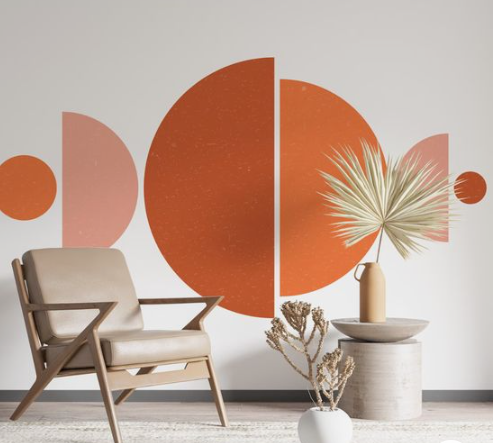
If plain walls feel boring, there are plenty of creative options to explore.
Accent Walls
Choose one wall and paint it in a bold or contrasting color to create a focal point.
Two-Tone Walls
Combine two complementary colors for a modern and stylish look.
Textured Finishes
Add depth using sponges or special rollers.
Wall Patterns
Geometric shapes, stripes, or stencils can make your space unique.
These ideas can turn a simple home painting task into a creative design project.
Use lighter shades on walls and darker tones on furniture to create a balanced and spacious feel.
Budget Planning for Painting Projects
A well-planned budget helps you avoid unnecessary expenses while achieving great results.
Cost Factors to Consider:
- Area size
- Paint quality
- Labor charges
- Tools and materials
Estimated Cost Table
| Item | Approximate Cost |
|---|---|
| Paint (per liter) | ₹150–₹500 |
| Primer | ₹120–₹300 |
| Tools | ₹200–₹1000 |
| Labor (per room) | ₹1500–₹5000 |
Planning your budget wisely ensures your home painting project stays efficient without compromising quality.
DIY Painting vs Hiring Professionals
This is a common dilemma for homeowners.
DIY Approach
Painting yourself can be satisfying and cost-effective. It’s ideal for small rooms or simple designs.
Professional Services
Professionals bring expertise, speed, and precision. They are best for large spaces or detailed work.
If your goal is a flawless finish, investing in professional home painting services can be a smart decision.
Common Mistakes You Should Avoid
Even small mistakes can affect the final outcome.
Avoid These Errors:
- Not using primer
- Choosing the wrong finish
- Ignoring lighting conditions
- Applying only one coat
- Using poor-quality paint
Being aware of these issues can make your home painting experience smoother and more successful.
Always test paint samples on your wall before finalizing the color to see how it looks in different lighting.
Eco-Friendly Painting Options
With growing awareness about health and environment, many homeowners are choosing eco-friendly paints.
Benefits:
- Low chemical emissions
- Safer for children and pets
- Reduced environmental impact
Look for low-VOC or zero-VOC paints when planning your home painting project for a healthier living environment.
Seasonal Considerations for Painting
Timing plays a crucial role in achieving the best results.
Ideal Conditions:
- Dry weather
- Moderate temperature
- Good ventilation
Avoid painting during high humidity, as it can affect drying and finish quality.
Real-Life Transformation Example
Imagine a small, dull bedroom with outdated colors. By repainting it with soft pastel tones and adding a darker accent wall, the room instantly feels brighter and more spacious.
This simple change shows how impactful painting can be when done thoughtfully.
Maintenance Tips to Keep Walls Looking Fresh
Once your walls look perfect, maintaining them is essential.
Easy Maintenance Practices:
- Clean stains immediately
- Use mild cleaning solutions
- Avoid excessive moisture
- Touch up damaged areas
Regular maintenance ensures your walls stay beautiful for years.
Long-Term Benefits of Painting Your Home
Painting is not just about aesthetics—it offers practical advantages too.
- Protects walls from moisture and damage
- Enhances property value
- Improves indoor air quality (with eco paints)
- Keeps your home looking new
A well-planned home painting project is an investment that pays off in multiple ways.
How Lighting Affects Paint Colors
Lighting can completely change how a color looks.
Natural Light
Makes colors appear brighter and more vibrant.
Artificial Light
Can add warm or cool tones depending on the bulb type.
Always observe paint samples at different times of the day before making a final decision.
Small Space Painting Tips
If you have a compact home, painting can help create an illusion of space.
Smart Ideas:
- Use light colors
- Avoid heavy patterns
- Paint ceilings white
- Use mirrors to reflect light
These tricks can make even the smallest rooms feel open and airy.
Painting Trends That Are Gaining Popularity
Staying updated with trends can inspire your next project.
Trending Styles:
- Earthy tones
- Minimalist color palettes
- Bold accent walls
- Soft pastel themes
Incorporating modern trends into your home painting plan can give your home a stylish and contemporary look.
FAQs
1. How often should walls be repainted?
Typically, every 4–6 years, depending on wear and environmental factors.
2. Which paint is best for interiors?
Emulsion paint is widely preferred for its durability and smooth finish.
3. Is primer necessary before painting?
Yes, especially for new walls or major color changes.
4. How long does paint take to dry?
It usually dries within 4–6 hours, but full curing may take a few days.
5. Can I mix different paint finishes?
Yes, combining finishes can create unique visual effects.
6. What is the most budget-friendly painting option?
DIY painting with mid-range quality paint is often the most affordable choice.
Conclusion
Transforming your living space doesn’t always require expensive renovations. Sometimes, all it takes is the right color, proper planning, and a bit of creativity. Painting gives you the freedom to experiment, express yourself, and create a home that truly reflects your personality.
From choosing the perfect palette to understanding finishes and techniques, every step plays an important role. Whether you go for a simple refresh or a bold redesign, thoughtful execution will always deliver rewarding results.
Take your time, plan carefully, and enjoy the process. A beautifully painted home is not just visually appealing—it enhances your comfort, mood, and everyday living experience.
Read More:-Interior Home Painting Ideas: Colors, Trends And Expert Tips