

What is TPO Roofing?
TPO roofing is becoming one of the most popular types of roofing for both homes and businesses. TPO roofing is popular with property owners and contractors because it lasts a long time, saves energy, and is affordable. TPO roofing has become known as a trustworthy choice for flat and low-slope roofs during the past few decades.
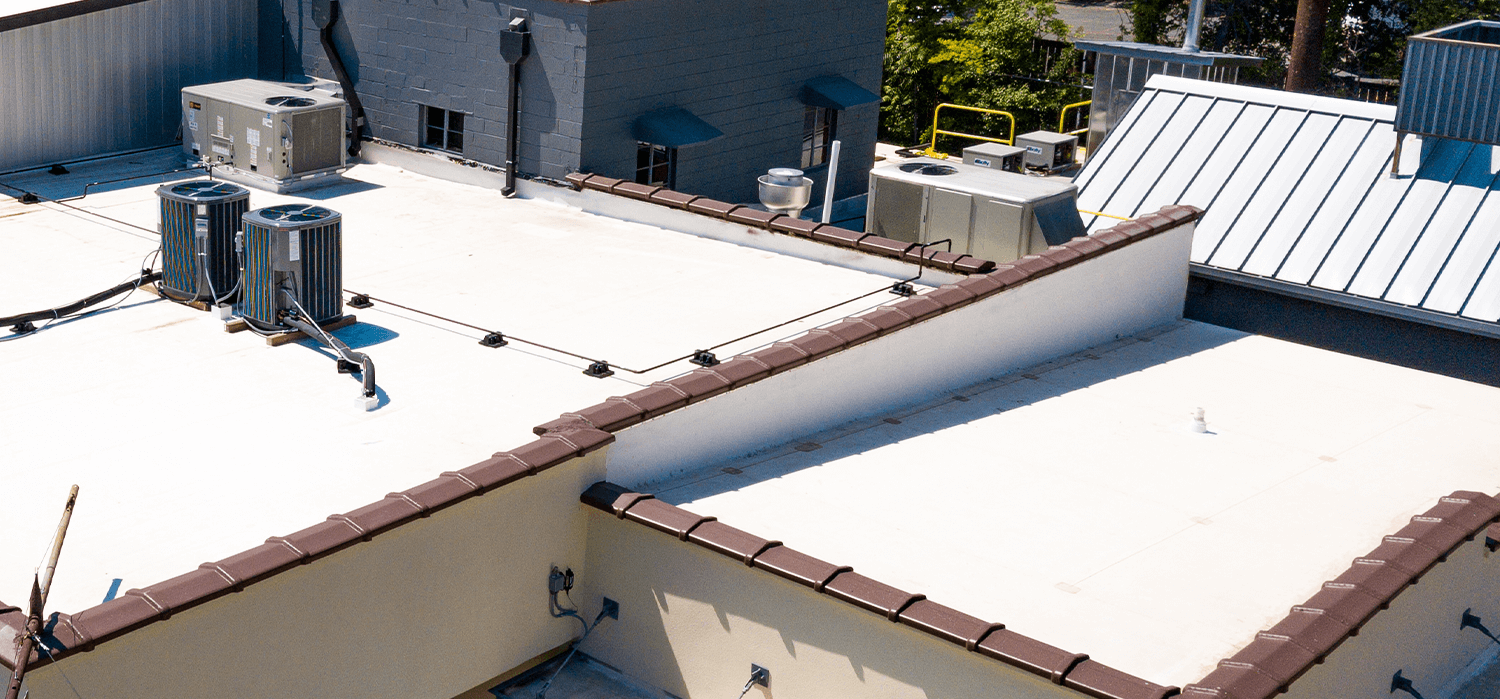
Thermoplastic Polyolefin, or TPO roofing, is a type of single-ply membrane roofing that protects buildings from heat, rain, and other weather damage. This roofing material is a mix of polypropylene and ethylene-propylene rubber, which makes a membrane that is both flexible and strong. TPO roofing helps keep heat from getting in and makes buildings more energy efficient since its surface reflects light.
Another reason TPO roofing is so popular is that it is easy to put up and lasts a long time. Building owners like that TPO roofing may lower energy expenses while also protecting against UV rays, leaks, and punctures. TPO roofing is becoming more and more popular since it works well and is cheap. It may be used on warehouses, stores, and homes.
What is TPO Roofing?
TPO roofing is a type of roofing that is made up of one layer of membrane. It is mostly used on flat or low-slope roofs. They make the material in sheets that are rolled out over the roof and then welded together with hot air. This makes a surface that is smooth and watertight.
Structure of TPO Roofing
There are three primary layers that make up TPO roofing:
-
Base of TPO polymer
-
Polyester cloth that has been strengthened
-
Top layer made of thermoplastic
These layers work together to make a roofing membrane that is robust and flexible. When TPO roofing is installed, it is heat-welded, which makes seams that are strong and don’t let water or leaks through.
The white or light-colored surface of TPO roofing is another thing that makes it stand out. This shiny surface helps keep the sun out and cools the inside. Because of this, TPO roofing is typically utilized in buildings that are designed to save energy.

The Main Benefits of TPO Roofing
There are a lot of reasons why contractors and building owners like TPO roofing. This type of roofing has many benefits that make it a good choice for modern buildings.
Energy Saving
One of the best things about TPO roofing is that it can reflect sunlight. The reflecting surface helps keep buildings cooler in warmer weather by reducing heat from getting in. This energy efficiency can make your home more comfortable and minimize the expense of air conditioning.
Long-lasting Durability
TPO roofing is made to last through bad weather. It doesn’t rip, pierce, or be hurt. The flexible membrane also lets TPO roofing alter size with the weather without breaking.
Environmentally Friendly
Another reason why a lot of people select TPO roofing is because it is good for the environment. Because it has a reflective surface, the material can be recycled and helps cut down on energy use.
Cost-Effective Installation
Compared to a lot of other types of roofing, TPO roofing is not too expensive. The installation process is quicker and needs less materials, which can lower the cost of labor.
Strong Seam Technology
TPO roofing has seams that are welded together with hot air, which makes them stronger than glued seams. This makes a watertight barrier that goes all the way around the building and keeps it from leaking.
Different Kinds of TPO Roofing Systems
There are a few different ways to put TPO roofing on. The kind that is chosen depends on the building’s construction, budget, and design needs.
Mechanically Attached TPO Roofing
One of the most typical ways to install TPO roofing is this one. Screws and plates hold the membrane to the roof deck.
Benefits include:
-
Faster installation
-
Lower labor costs
-
Strong wind resistance
Fully Adhered TPO Roofing
This technique sticks the TPO roofing membrane right to the insulation layer. This makes things look smooth and even.
Benefits include:
-
Better appearance
-
Higher resistance to wind uplift
-
Long-term durability
Ballasted TPO Roofing
Heavy materials like stones or pavers are used to hold the membrane in place on ballasted TPO roofing.
Key features:
-
Lower installation cost
-
Strong UV protection
-
Ideal for large commercial roofs
How to Install TPO Roofing
You need to plan carefully and hire a specialist to put up TPO roofing. There are usually a few crucial steps in the installation procedure.
Roof Preparation
You need to check and clean the roof surface before putting on TPO roofing. To make sure the installation goes well, any damage or debris must be cleared away.
Insulation Installation
To make the building more energy efficient, insulation boards are put in place. Insulation that works well keeps the temperature inside your home stable, which makes TPO roofing work better.
Membrane Placement
Large sheets of TPO roofing membrane are laid down on the roof. These sheets are carefully placed so that they cover the whole surface.
Seam Welding
Hot-air welding equipment are used to join the seams of TPO roofing membranes. This makes the joints between the sheets robust and water-resistant.
Final Inspection
After the TPO roofing system is put in place, professionals check to make sure it is properly sealed, aligned, and strong.
How Much Does TPO Roofing Cost?
The price of TPO roofing depends on a number of things, including the size of the roof, the amount of work needed, the type of insulation needed, and how hard it is to install.
The table below shows the usual price ranges.
| Roof Type | Average Cost per Sq. Ft. | Lifespan |
|---|---|---|
| TPO Roofing | $5 – $10 | 20 – 30 years |
| EPDM Roofing | $6 – $12 | 20 – 25 years |
| PVC Roofing | $7 – $15 | 25 – 30 years |
TPO roofing is frequently seen to be one of the more affordable commercial roofing alternatives, even if pricing might change.
How to Take Care of TPO Roofing
Taking care of TPO roofing properly might make it last a lot longer. Regular checks and little fixes can help save damage from getting worse and costing a lot of money.
Schedule Regular Inspections
Check your TPO roof at least twice a year for cracks, holes, or damage to the seams.
Clean the Roof Surface
To keep water from pooling on TPO roofs, clean out dirt, leaves, and other debris.
Check Drainage Systems
Check to see that the drains and gutters are working properly. TPO roofs might have standing water if the drainage is bad.
Repair Damage Quickly
To keep TPO roofing in good shape, small problems like holes or seams that come apart should be fixed right away.
Common Issues with TPO Roofing
TPO roofing is strong, but difficulties might happen if the system is not put in or taken care of properly.
Seam Failure
If the seams in TPO roofing aren’t welded correctly, they can come apart and leak.
Punctures
TPO roofing membranes can be damaged by sharp items or heavy machinery.
Shrinkage
In very rare circumstances, TPO roofing materials may shrink over time because of big changes in temperature.
Even with these challenges, careful installation and upkeep can keep most TPO roofing problems from happening.
TPO Roofing Compared to Other Roofing Systems
Before making a decision, many building owners compare TPO roofing to other types of roofing.
TPO Roofing vs. EPDM
EPDM is a type of rubber that is used to make roofs. Both systems perform well on flat roofs, but TPO roofing is more energy-efficient since its surface reflects light.
TPO Roofing vs. PVC
A single-ply membrane method is also used for PVC roofing. TPO roofing, on the other hand, is usually cheaper and better for the environment.
TPO Roofing vs. Metal Roofing
Metal roofs last a long time, but they can be more expensive. TPO roofing strikes a good mix between cost and performance.
Why Businesses Pick TPO Roofing
Because it works well with modern buildings, many commercial property owners select TPO roofing. TPO roofing is strong and energy-efficient, which makes it great for big warehouses, retailers, and office buildings.
TPO roofing is good for big roofs because it is light and doesn’t add too much weight to the structure. Also, the reflecting surface helps businesses save money on cooling expenditures in hotter places.
Another big plus is that the cost of installation is rather modest. TPO roofing is a good choice for projects that need to last a long time without a big upfront cost, according to several professionals.
The Future of TPO Roofing
The roofing business is coming up with new ideas, and TPO roofing technology keeps becoming better. Companies are making membranes that are stronger, seam welding methods that are better, and materials that are better for the environment.
Future improvements may include:
-
Better UV resistance
-
Improved durability and flexibility
-
Longer warranties
-
Higher energy-efficiency ratings
These new ideas will probably make TPO roofing even more popular for building homes and businesses.
Conclusion
TPO roofing is becoming one of the most reliable roofing options for new structures. It is a great choice for both homes and businesses because it is strong, energy-efficient, and cheap. TPO roofing may last for decades and keep your home safe if it is installed and maintained correctly.
Owners of buildings like how TPO roofing helps keep their buildings safe from the weather while also lowering their energy expenses. TPO roofing systems last a long time because they have a reflecting surface, strong seams, and a flexible membrane design.
TPO roofing will probably continue to be one of the best choices for roofs that save energy and money as roofing technology improves. TPO roofing may protect your home and add value for many years, whether you’re putting on a new roof or replacing an existing one.
Read more:-The Complete Guide to Residential Roofing Services for Strong Homes