

Introduction
Your home is not just a place where you live—it’s a reflection of your personality, mood, and lifestyle. One of the easiest and most impactful ways to upgrade your living environment is through interior home painting. Without changing furniture or spending heavily on renovation, a simple paint job can completely transform the look and feel of your home.
From creating a calm bedroom to designing a vibrant living room, painting plays a powerful role in shaping your daily experience. In this detailed guide, you will learn everything from color selection and preparation to techniques, trends, and maintenance—all explained in a simple and practical way.
Why Painting Your Home Interior Matters
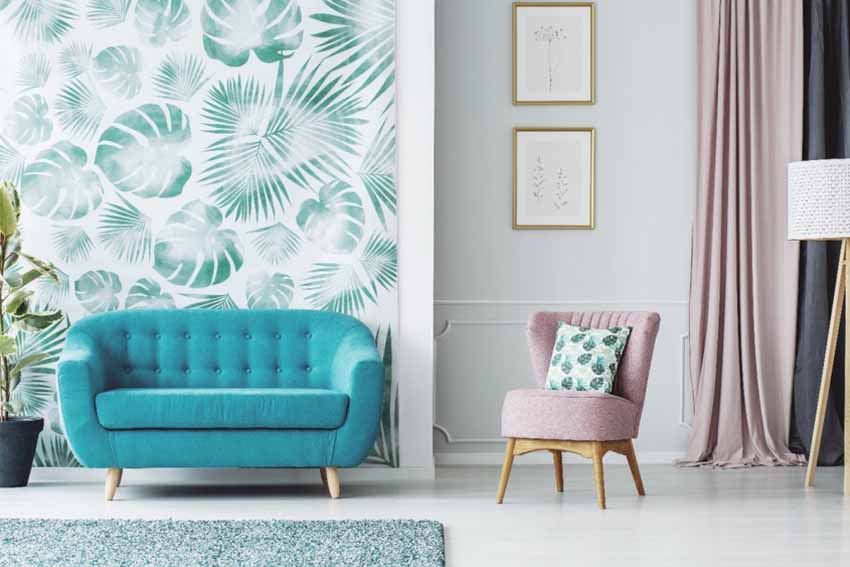
Many people think painting is just about decoration, but it goes much deeper than that. A well-planned interior home painting project can improve not only your home’s appearance but also your overall comfort.
Colors influence emotions and behavior. For example, soft shades can make you feel relaxed, while brighter tones can energize a space. A dull or outdated wall color can make a room feel lifeless, whereas a fresh coat of paint instantly brings it back to life.
Another important benefit is cleanliness. Over time, walls collect dust, stains, and marks. Painting helps refresh the surface and gives your home a cleaner, healthier look.
Understanding the Psychology of Colors
Before choosing paint, it’s important to understand how colors affect mood and perception. This is a crucial step in interior home painting because the wrong color can make a room feel uncomfortable.
Light colors like white, cream, and pastels create a sense of openness and calmness. These are perfect for bedrooms and small spaces. Darker shades like navy, charcoal, or deep green add depth and sophistication, but they should be used carefully.
Warm colors such as yellow, orange, and red can make a space feel lively and welcoming. Cool tones like blue and green are ideal for relaxation.
When selecting colors, always think about how you want to feel in that space.
Choosing the Right Color Combination
A single color rarely works alone. Combining colors effectively is what creates a balanced and attractive interior.
You can follow simple rules like:
- Use one dominant color for walls
- Add a secondary color for contrast
- Use accent colors for highlights
Neutral shades are a safe choice because they match almost everything. You can then add personality through furniture, curtains, and décor.
Testing samples on your wall is essential. Paint looks different under natural and artificial lighting, so always check before finalizing your choice for interior home painting.
Types of Paint Finishes Explained
Paint finishes determine how your walls will look and perform over time. Each finish has its own advantages depending on the room.
| Finish | Best Use | Features |
|---|---|---|
| Matte | Bedrooms, ceilings | Non-reflective, hides flaws |
| Eggshell | Living rooms | Soft shine, easy to maintain |
| Satin | Kitchens, hallways | Durable and washable |
| Semi-gloss | Doors, trims | Moisture-resistant |
| Gloss | Furniture | Highly shiny and bold |
For most homes, satin and eggshell finishes are practical choices because they balance beauty and durability.
Preparing Your Space Before Painting
Preparation is the foundation of a successful painting project. Skipping this step can lead to poor results, no matter how good your paint is.
Start by removing furniture or covering it with cloth. Clean the walls thoroughly to remove dust and grease. Repair cracks and holes using filler, then sand the surface to make it smooth.
Applying a primer is highly recommended, especially if you are changing colors or painting over dark shades. Proper preparation ensures that your interior home painting lasts longer and looks professional.
Tools That Make Painting Easier
Using the right tools can save time and effort while improving the final result.
Here are some essentials:
- Rollers for large surfaces
- Brushes for edges and corners
- Painter’s tape for clean lines
- Drop cloths for protection
- Paint trays and stir sticks
Investing in good-quality tools is always worth it, especially for larger projects.
Step-by-Step Painting Process
A structured approach ensures better results and avoids mistakes.
First, protect areas like switches, windows, and trims using tape. Start painting edges with a brush, then use a roller for larger sections.
Apply paint in thin, even coats instead of thick layers. Two coats are usually enough for full coverage. Allow each coat to dry properly before applying the next.
Patience is key in interior home painting, as rushing can ruin the finish.
Latest Trends in Interior Painting
Modern homes are moving beyond plain walls. Today’s trends focus on creativity and individuality.
Some popular ideas include:
- Accent walls with bold colors
- Two-tone wall designs
- Geometric patterns
- Textured finishes
- Earthy and natural tones
These trends allow homeowners to experiment and create unique spaces that stand out.
Choose colors based on your furniture and flooring. This ensures harmony and avoids mismatched interiors.
Budget-Friendly Painting Tips
Painting doesn’t have to be expensive. With smart planning, you can achieve great results within a budget.
Focus on high-impact areas like the living room or entrance. Use neutral colors that don’t require frequent repainting. Buy paint during discounts or seasonal sales.
DIY painting can significantly reduce costs, making interior home painting one of the most affordable home improvements.
Common Mistakes to Avoid
Even simple mistakes can affect the final outcome.
Avoid:
- Skipping primer
- Using cheap tools
- Ignoring wall preparation
- Applying thick coats
- Not testing colors
Learning from these mistakes ensures a smoother painting experience.
Maintaining Painted Walls
Once your walls are painted, proper maintenance helps keep them looking fresh.
Clean stains gently using a damp cloth. Avoid harsh chemicals that may damage the paint. Touch up areas when needed, especially in high-traffic zones.
Regular care extends the life of your interior home painting and keeps your home looking new.
Always paint from top to bottom. This prevents drips and ensures a smooth finish.
How Painting Increases Property Value
A well-painted home attracts buyers and creates a strong first impression. Fresh walls make spaces look clean, modern, and well-maintained.
Neutral colors are especially appealing because they suit a wide range of tastes. Investing in interior home painting can significantly improve your home’s resale value.
Creating a Unique Style for Your Home
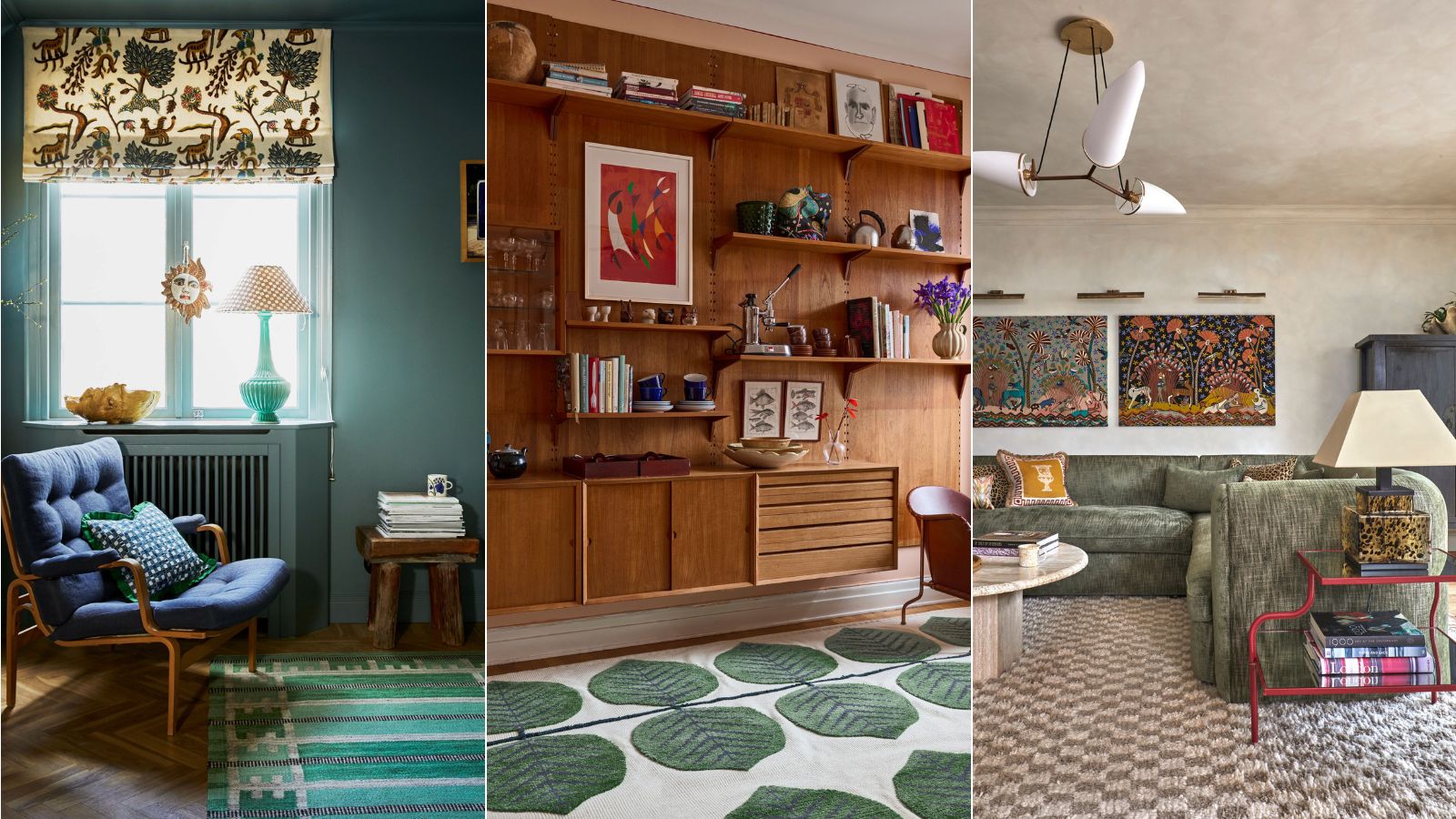
Your home should reflect your personality. Painting gives you the freedom to experiment with different styles.
You can mix modern and traditional colors, create feature walls, or use subtle tones for a minimalist look. The key is to maintain balance and avoid overdoing it.
With creativity, interior home painting becomes more than just a task—it becomes a way to express yourself.
Conclusion
Painting your home is one of the simplest yet most effective ways to transform your space. It improves appearance, enhances comfort, and adds value to your property.
By choosing the right colors, preparing properly, and following the correct techniques, you can achieve professional results even on a budget. Take your time, plan carefully, and enjoy the process.
A fresh coat of paint can truly change how you experience your home every day.
FAQs
1. How often should interiors be repainted?
Most homes require repainting every 5–7 years, depending on usage and wear.
2. Which colors are best for small rooms?
Light shades like white, beige, and pastel tones make rooms appear larger.
3. Is primer always necessary?
Yes, especially when changing colors or painting over damaged surfaces.
4. How long should I wait between coats?
It’s best to wait at least 4–6 hours, depending on the paint type.
5. Can I paint my home myself?
Yes, DIY painting is possible for small projects, but larger areas may need professionals.
6. What is the most durable paint finish?
Satin and semi-gloss finishes are highly durable and easy to clean.
Read More:-Complete Home Plumbing Guide for Efficient Water Systems