

Introduction
A well-functioning home is built on systems we rarely think about—until something goes wrong. Among these, plumbing is one of the most essential parts of daily life. From the moment you turn on the tap in the morning to the time you take a shower at night, your entire routine depends on a reliable system. Even a small disruption can quickly affect comfort and convenience in your home.
That’s why understanding and maintaining home plumbing is more important than most homeowners realize. A little knowledge can save you from stress, unexpected repairs, and unnecessary expenses. This guide is designed to simplify everything for you in a clear and practical way.
Understanding How Your Plumbing System Works
Before diving into maintenance and repairs, it helps to understand the basics. A typical home plumbing system has two main parts: the water supply system and the drainage system. These systems work together continuously to provide clean water and remove waste safely.
The water supply system brings fresh water into your home through pressurized pipes, ensuring smooth flow to taps, showers, and appliances. Meanwhile, the drainage system removes wastewater using gravity, preventing contamination and maintaining hygiene. If either system fails, it can disrupt your entire household routine and even cause damage.
Why Plumbing Maintenance Should Never Be Ignored
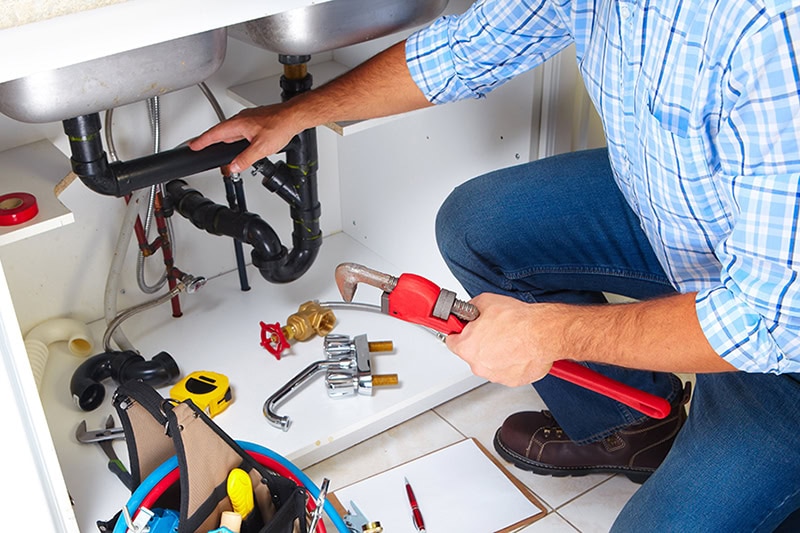
Many homeowners only think about plumbing when something goes wrong. However, regular maintenance plays a key role in preventing serious issues and maintaining efficiency. Ignoring small problems can lead to costly repairs and long-term damage.
Here’s why maintaining your home plumbing system is crucial:
- Prevents sudden emergencies and unexpected breakdowns
- Reduces water wastage and lowers utility bills
- Extends the life of pipes and fixtures
- Keeps your home clean, safe, and hygienic
Even a small leak can waste hundreds of liters of water every month. Over time, this not only increases your bills but can also weaken walls, damage flooring, and promote mold growth.
Common Plumbing Problems and Their Causes
Every home experiences plumbing issues at some point. Understanding the causes helps you fix them faster and avoid repeating the same mistakes. Being aware also allows you to act early before problems become serious.
Leaky Faucets
This is usually caused by worn-out washers, seals, or internal parts. While it may seem minor, a dripping faucet can waste a surprising amount of water over time.
Blocked Drains
Hair, soap residue, grease, and food particles are the main culprits behind clogged drains. Kitchen sinks and bathroom drains are especially vulnerable due to daily use.
Low Water Pressure
Low pressure can make everyday tasks frustrating and time-consuming. It’s often caused by pipe leaks, mineral buildup, or supply line issues.
Running Toilets
A faulty flapper valve or improper tank mechanism can cause continuous water flow. This issue can silently waste a large amount of water if not fixed quickly.
Burst Pipes
Extreme temperature changes, corrosion, or old pipe materials can lead to bursts. This is one of the most serious issues and requires immediate attention.
Understanding these problems helps you take better care of your home plumbing system and respond quickly when needed.
Essential Maintenance Tips Every Homeowner Should Follow
Maintaining your plumbing system doesn’t require professional skills all the time. Simple habits and regular checks can make a big difference in preventing major issues. Consistency is the key to long-term efficiency.
Inspect Regularly
Take a few minutes each month to check for leaks under sinks, around toilets, and near appliances. Early detection can prevent costly repairs and water damage.
Keep Drains Clean
Avoid dumping grease, oil, or food scraps into sinks. Use drain covers to catch debris and clean them frequently to maintain smooth flow.
Watch What You Flush
Only flush toilet paper. Items like wipes, cotton, and sanitary products can easily cause blockages and damage pipes.
Monitor Water Pressure
High water pressure may feel convenient, but it can strain your pipes and fixtures over time. Maintaining balanced pressure helps extend system life.
Fix Problems Early
Small issues rarely stay small. Addressing them immediately saves both time and money in the long run.
These simple steps go a long way in maintaining your home plumbing efficiently and avoiding unnecessary stress.
Turn off all water appliances and note your water meter reading. Wait an hour without using water. If the reading changes, there may be a hidden leak. Detecting leaks early helps prevent structural damage and high bills.
Basic Tools You Should Always Keep at Home
Having a few essential tools can make handling minor issues much easier. You don’t need professional equipment—just a few basics are enough for most situations.
- Plunger
- Adjustable wrench
- Pipe tape (Teflon tape)
- Drain snake
- Bucket and cleaning cloths
These tools allow you to fix small home plumbing problems quickly without depending on outside help every time.
Plumbing Maintenance Schedule for Easy Management
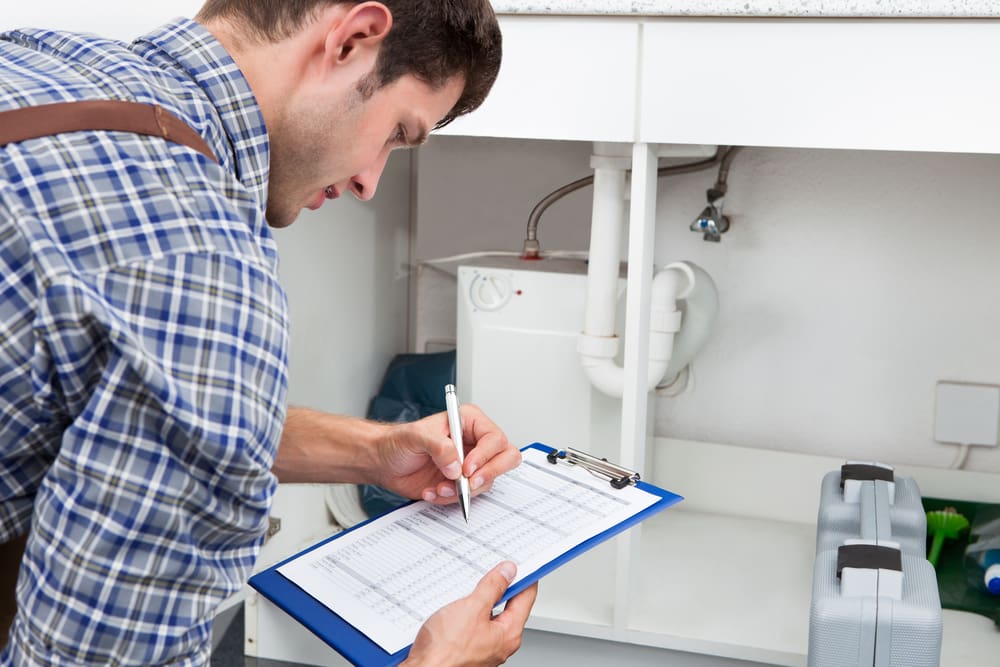
Following a simple schedule helps you stay organized and ensures nothing is overlooked. Regular maintenance reduces the chances of unexpected failures.
| Task | Frequency | Benefit |
|---|---|---|
| Inspect for leaks | Monthly | Prevent damage |
| Clean drains | Monthly | Avoid clogs |
| Check water pressure | Every 3 months | Protect pipes |
| Inspect water heater | Every 6 months | Improve efficiency |
| Full system check | Yearly | Long-term reliability |
Sticking to a routine ensures your home plumbing system remains reliable and efficient throughout the year.
Smart Ways to Save Water at Home
Saving water is not just about reducing bills—it’s also about responsible usage. Small changes in daily habits can lead to significant savings over time.
Install Efficient Fixtures
Modern faucets and showerheads are designed to use less water while maintaining good performance. They are a smart long-term investment.
Repair Leaks Immediately
Even a slow drip can waste a large amount of water over time. Fixing leaks quickly prevents unnecessary loss.
Use Appliances Wisely
Run washing machines and dishwashers only when they are full. This reduces water usage and improves efficiency.
Reuse Water
Water used for washing vegetables can be reused for gardening. This simple habit promotes sustainability.
These practices help improve your home plumbing efficiency while conserving valuable resources.
DIY Fixes You Can Try at Home
Not every plumbing issue requires a professional. Many small problems can be fixed with basic knowledge and tools. However, always proceed carefully to avoid making things worse.
Fixing a Leaky Tap
Turn off the water supply, remove the handle, and replace the worn-out washer. This simple fix can stop dripping instantly.
Clearing a Clogged Drain
Use a plunger or drain snake to remove blockages. Avoid using harsh chemicals that may damage pipes.
Stopping a Running Toilet
Check the flapper valve inside the tank and adjust or replace it if necessary. This can quickly stop water wastage.
These simple fixes can help you maintain your home plumbing without spending much money.
When to Call a Professional Plumber
While DIY solutions are helpful, some issues require expert attention. Knowing when to call a professional can save you from bigger problems.
- Major leaks or flooding
- Sewer line issues
- No water supply
- Persistent low pressure
- Water heater problems
Professional plumbers have the tools and expertise to handle complex issues safely. This ensures your home plumbing system remains in good condition.
Mix baking soda and vinegar, pour it into the drain, and flush with hot water after 15 minutes. This helps clear minor clogs naturally and keeps drains fresh.
Warning Signs You Should Never Ignore
Your plumbing system often gives early warning signs before a major problem occurs. Paying attention to these signs can save you from costly repairs.
- Unusual noises in pipes
- Slow drainage
- Water stains on walls or ceilings
- Foul smells from drains
Ignoring these signs can lead to serious damage. Staying alert helps maintain your home plumbing system effectively.
Modern Plumbing Upgrades Worth Considering
Upgrading your system can improve efficiency and comfort. Modern solutions are designed to save water, reduce energy use, and prevent damage.
Tankless Water Heaters
They provide instant hot water and use less energy compared to traditional systems.
Leak Detection Systems
Smart sensors can alert you about leaks before they become major issues.
Durable Pipe Materials
Replacing old pipes with modern materials reduces the risk of corrosion and leaks.
These upgrades enhance your home plumbing system and add long-term value to your home.
Seasonal Plumbing Care Tips
Each season brings different challenges, so adjusting your maintenance routine is important. Seasonal care helps prevent sudden issues.
Summer
Check outdoor taps, hoses, and monitor water usage to avoid wastage.
Winter
Insulate pipes to prevent freezing and potential bursts.
Monsoon
Ensure proper drainage and clear any blockages to prevent water accumulation.
Taking seasonal precautions helps protect your home plumbing system throughout the year.
Eco-Friendly Plumbing Practices for Sustainable Living
Sustainability is becoming an essential part of modern living. Your plumbing habits can contribute significantly to environmental protection.
- Install water-saving fixtures
- Avoid unnecessary water usage
- Fix leaks promptly
- Use eco-friendly cleaning methods
These practices ensure your home plumbing system remains efficient while supporting a greener lifestyle.
Long-Term Benefits of Proper Plumbing Care
Investing time in maintenance provides long-term advantages that go beyond convenience. It improves both comfort and property value.
- Lower utility bills
- Fewer repair costs
- Better water quality
- Increased home value
A well-maintained home plumbing system ensures peace of mind and a stress-free living environment.
FAQs
1. How often should I check my plumbing system?
You should inspect it at least once a month to identify leaks or visible issues early.
2. What is the main cause of clogged drains?
Hair, grease, and food particles are the most common causes of blockages.
3. Can I handle plumbing repairs myself?
Minor repairs are manageable, but complex issues should be handled by professionals.
4. How do I reduce water wastage?
Fix leaks, use efficient fixtures, and avoid unnecessary water usage.
5. What are signs of a hidden leak?
High water bills, damp walls, and mold growth are common indicators.
6. Is regular maintenance really necessary?
Yes, it prevents major issues and extends the life of your system.
Conclusion
Your plumbing system works quietly behind the scenes, supporting your daily life without much attention. However, regular care and awareness are essential to keep it functioning smoothly. Small efforts today can prevent major problems tomorrow.
Taking care of your home plumbing is not just about fixing issues—it’s about preventing them and ensuring long-term efficiency. With the right habits and knowledge, you can maintain a safe, comfortable, and hassle-free home environment.
Read More:-Outdoor Decor Ideas to Transform Your Garden and Patio Space