

Introduction: A Style That Refuses to Be Ignored
Few architectural movements provoke as much debate as brutalist architecture. Loved by some for its raw honesty and bold expression, and criticized by others for its stark, imposing appearance, this style has carved out a unique place in design history. Emerging in the mid-20th century, it challenged traditional aesthetics by embracing exposed materials, particularly concrete, and rejecting decorative excess.
Walking past a brutalist building can feel like encountering a monument frozen in time. These structures often appear heavy, geometric, and unapologetically functional. Yet beneath their rigid forms lies a deeper philosophy—one that prioritizes authenticity, social purpose, and structural clarity. Understanding this architectural movement means looking beyond its rough exterior and appreciating the ideas that shaped it.
The Origins of a Bold Movement
Post-War Necessity and Innovation
The roots of brutalist architecture can be traced back to the aftermath of World War II, when many countries faced the urgent need to rebuild cities quickly and affordably. Concrete became the material of choice due to its availability and durability. Architects began experimenting with new ways to use it, leading to a style that emphasized function over ornament.
The term “brutalism” itself comes from the French phrase béton brut, meaning “raw concrete.” This wasn’t about brutality in the emotional sense, but rather a commitment to honesty in materials and construction. Buildings were designed to reveal their structure instead of hiding it behind decorative facades.
Influences and Early Pioneers
Architects such as Le Corbusier played a crucial role in shaping this movement. His designs demonstrated how raw materials could be used to create powerful, sculptural forms. Over time, brutalism spread across Europe, North America, and parts of Asia, becoming a defining style of public buildings, universities, and housing projects.
Defining Characteristics of Brutalist Design
Raw Materials and Exposed Structure
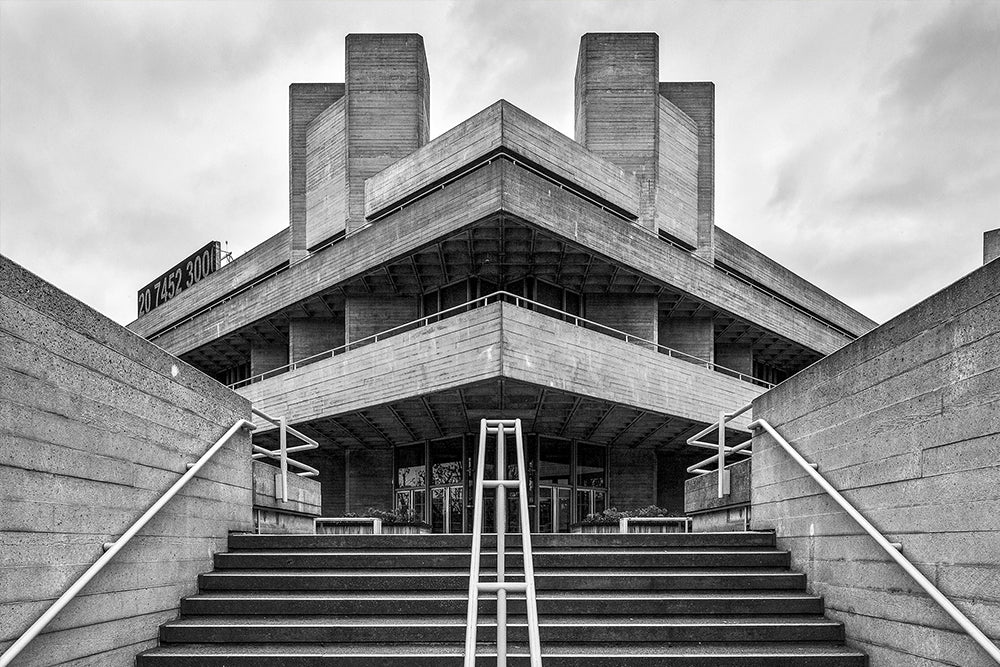
One of the most recognizable features of brutalist architecture is its use of unfinished materials. Concrete surfaces are often left exposed, showing the texture of the molds used during construction. Steel and glass may also be present, but they rarely overshadow the dominance of concrete.
This approach creates a sense of authenticity. Instead of hiding imperfections, brutalist buildings celebrate them, giving each structure a unique character. The result is a visual language that feels both industrial and artistic.
Geometric Forms and Monumentality
Brutalist buildings are known for their bold, geometric shapes. Sharp angles, repetitive patterns, and massive forms give these structures a sense of strength and permanence. Many designs appear fortress-like, with thick walls and minimal ornamentation.
Despite their heavy appearance, these buildings often have a carefully balanced composition. Architects used geometry not just for aesthetics, but also to create functional and efficient spaces.
The Social Vision Behind the Style
Architecture for the People
Brutalism wasn’t just about aesthetics—it was deeply connected to social ideals. Many architects believed that design should serve the public and improve everyday life. This led to the construction of schools, libraries, government buildings, and housing complexes in the brutalist style.
The emphasis on functionality meant that spaces were designed with purpose. Large communal areas, open layouts, and practical features aimed to foster a sense of community and accessibility.
Urban Identity and Experimentation
Cities that embraced brutalism often saw it as a symbol of progress and modernity. The style allowed architects to experiment with new forms and push the boundaries of traditional design. In some cases, entire neighborhoods were built using brutalist principles, creating a cohesive urban identity.
However, these ambitious projects were not always successful. Over time, some developments faced criticism for being too harsh or impersonal, highlighting the challenges of balancing design ideals with real-world needs.
Criticism and Controversy
A Divisive Aesthetic
From the beginning, brutalism has been a polarizing style. Critics often describe it as cold, oppressive, or unattractive. The heavy use of concrete and lack of decorative elements can make buildings feel unwelcoming, especially when poorly maintained.
Weathering also plays a role in public perception. Over time, exposed concrete can stain or deteriorate, adding to the perception of neglect. This has led to the demolition of many brutalist structures, particularly in urban areas undergoing redevelopment.
Changing Tastes Over Time
Architectural trends evolve, and what was once considered innovative can later be seen as outdated. By the late 20th century, many cities began moving away from brutalism in favor of more visually appealing and human-centered designs. Glass facades, greenery, and softer materials became popular alternatives.
Despite this shift, the debate surrounding brutalism continues. Some view it as an important part of architectural heritage, while others see it as a reminder of failed urban planning experiments.
A Modern Revival
Rediscovering the Beauty of Concrete
In recent years, there has been a renewed interest in brutalist design. Architects and designers are reexamining its principles and finding new ways to incorporate them into contemporary projects. This revival is driven in part by a growing appreciation for authenticity and minimalism.
Modern interpretations often combine brutalist elements with softer materials and sustainable practices. The result is a more balanced approach that retains the boldness of the original style while addressing its shortcomings.
Influence on Contemporary Design
Today, the influence of brutalism can be seen in various forms, from residential homes to commercial spaces. Clean lines, exposed materials, and a focus on functionality continue to inspire architects around the world.
Even in digital design, the principles of brutalism have found a place. Websites and graphic designs sometimes adopt a “brutalist” aesthetic, characterized by raw layouts and minimal styling. This demonstrates how the movement’s core ideas extend beyond physical structures.
Living with Brutalist Spaces
Function Meets Experience
Living or working in a brutalist building offers a unique experience. The open layouts and strong structural elements create a sense of space that is both practical and visually striking. Large windows and thoughtful design can soften the intensity of the concrete, making interiors more inviting.
However, these spaces also require careful planning. Lighting, acoustics, and temperature control can be challenging in such environments. Modern adaptations often address these issues by integrating new technologies and materials.
Personal Interpretation
For many people, the appeal of brutalism lies in its individuality. Each building tells a story through its design, reflecting the vision of its architect and the context in which it was created. This sense of character can make brutalist spaces feel more meaningful and memorable.
Conclusion: A Legacy Cast in Concrete
Brutalist architecture remains one of the most distinctive and debated styles in modern design. Its emphasis on raw materials, bold forms, and social purpose sets it apart from more conventional approaches. While it has faced criticism and periods of decline, its influence continues to shape the way we think about architecture.
Read More:- Stylish Bathroom Mirror with Lights for Modern Homes